
What P0299 means
The engine computer compares target and actual boost pressure. If actual boost stays too low for too long, P0299 is stored and the car often goes into limp mode.
1. Boost leak
A cracked hose, a loose clamp or a damaged intercooler lets pressure escape before it reaches the engine. One of the cheapest and most common causes.
2. Sticking geometry (VGT)
On diesels the vanes get coked up and stop moving freely, so the turbo cannot build pressure. Fixed by cleaning and calibrating the geometry.
3. Actuator
A torn diaphragm in a vacuum actuator or a faulty electronic actuator gives the same result: the vanes do not reach the right position.
4. Vacuum system
A cracked vacuum hose or a faulty boost control valve (N75 and similar) stops the actuator from working properly.
5. Boost sensor
Sometimes boost is fine but the sensor reads it wrong. In that case the turbo needs no work at all.
6. Worn turbo
Shaft play, damaged wheels or worn seals reduce output. This is where repair or cartridge replacement is needed.
Why not just replace the turbo
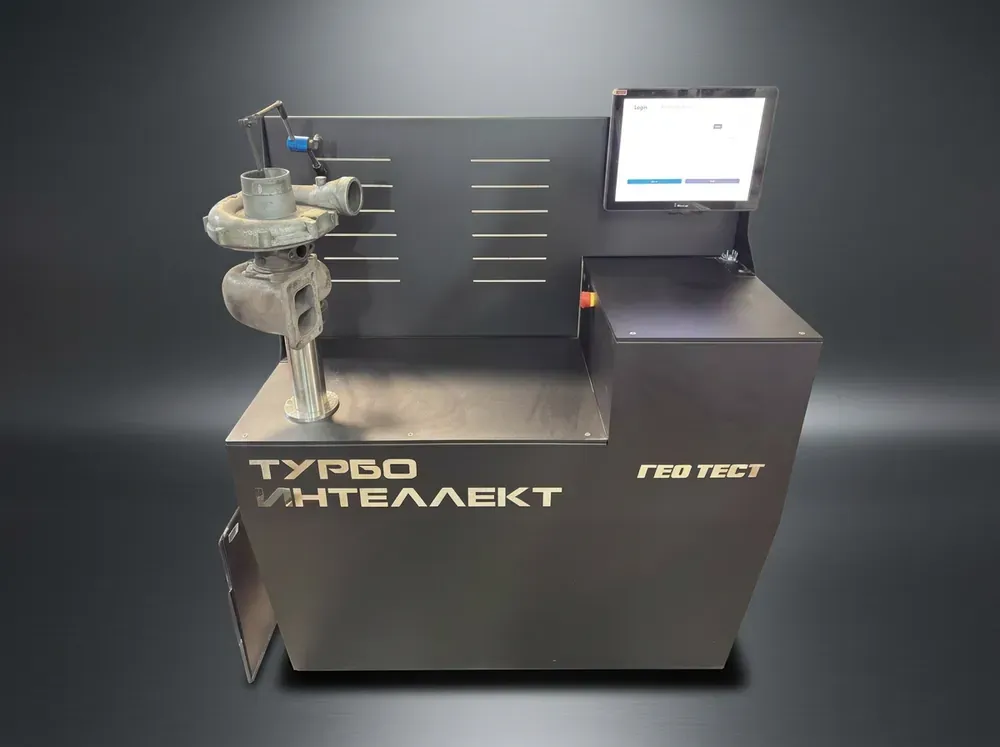
If the cause is a leak or a sensor, a new turbo will not fix it and the code will come back. During diagnostics we test the turbo, geometry and actuator on dedicated equipment and tell you the real cause.
Bring it in for free diagnostics. You get the exact price before any work starts.